

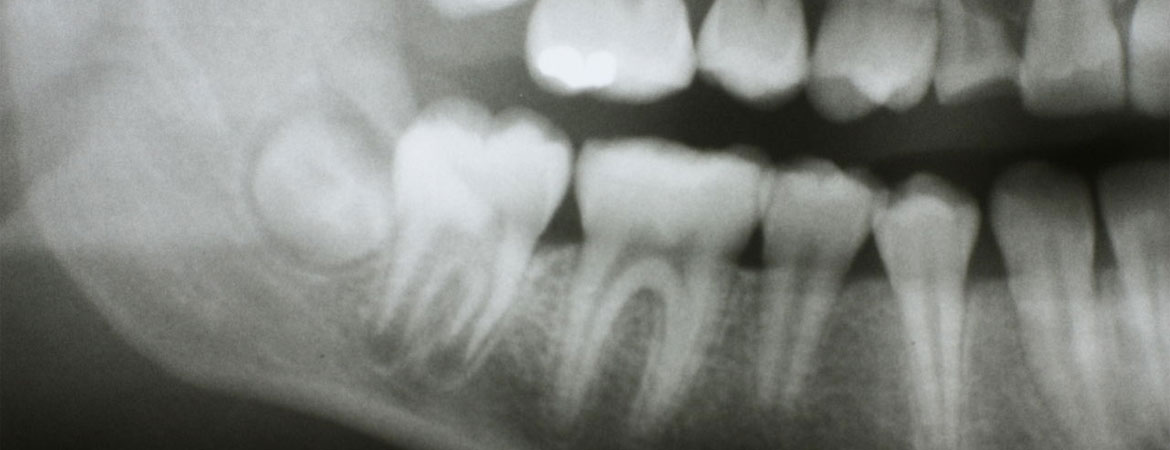
If you have ever been to a dentist (and who hasn’t), you have probably had dental x-rays. In fact, it is usually one of the first things the dentist does when seeing you. After all, dentists can examine your teeth to see the outside but this does not help them to know what is going on inside. The dentist needs to be able to see if there are any abnormalities or diseases underneath your teeth and in your gums. Without these, you could have all kinds of bad things going on in your mouth that your dentist will not know about until it gets bad enough to show symptoms.
What Are Dental X-Rays?
Dental x-rays are a common diagnostic procedure that all dental care providers use to see the details in the teeth and supporting bones. They show 2D imaging of the teeth and bones in your mouth below the gums and enamel. Dental x-rays can help your dentist find cavities, check on tooth development, and measure the healthiness of the roots. There are two different kinds of x-rays: film and digital, although film is rarely used anymore. Film used to be the only choice but now it is rare to find a dentist that uses it anymore. Digital x-rays use much lower doses of radiation than that of film x-rays and are considered to be completely safe when used on a limited basis. In fact, according to the American College of Radiology, four bitewing x-rays, which is what a normal dental examination includes, gives you about .005 millisieverts of radiation. This is about the same amount of radiation you get from a dental x-ray is about the equivalent of watching television or being in the sunlight, according to the experts. An x-ray of your entire mouth (panoramic dental x-ray) uses about .010 millisieverts.Safety Precautions
These small amounts of radiation are really not enough to cause any harm, according to the American Dental Association and the Food and Drug Administration. However, there are safety precautions that still need to be used.- Lead apron over torso and reproductive organs
- Radiation shield over throat to protect thyroid gland
- Minimal dental x-rays only used when absolutely necessary
Why Do We Need Dental X-Rays?
Dental x-rays are used to let the dentist see problems that are unable to be seen by the naked eye. Issues under the gum line or inside the tooth enamel are invisible to the dentist during an examination unless x-rays are done. Some of the problems that can be seen with x-rays include:- Tumors
- Root canal abnormalities or changes
- Decayed areas between teeth or underneath a filling
- Loss of bone from gum disease
- Infections in the root of the tooth or between the gum and the tooth
Talk to Your Dentist
If you do not let your dental care provider do an x-ray, these problems and more can go undiagnosed and some can be dangerous. For example, an infection under the tooth can cause a life-threatening blood infection if not found and treated. If you are concerned that x-rays are dangerous, talk to your dental care provider. If you are in need of a dental x-ray then please do not hesitate to contact your local dentist.* Newmarket Dentist provides general information only. Our aim is to provide the most accurate information possible, but we do not take responsibility for any errors. In order to get the best results it is important to consult with your dentist or health care professional for further information, diagnosis or treatment.
